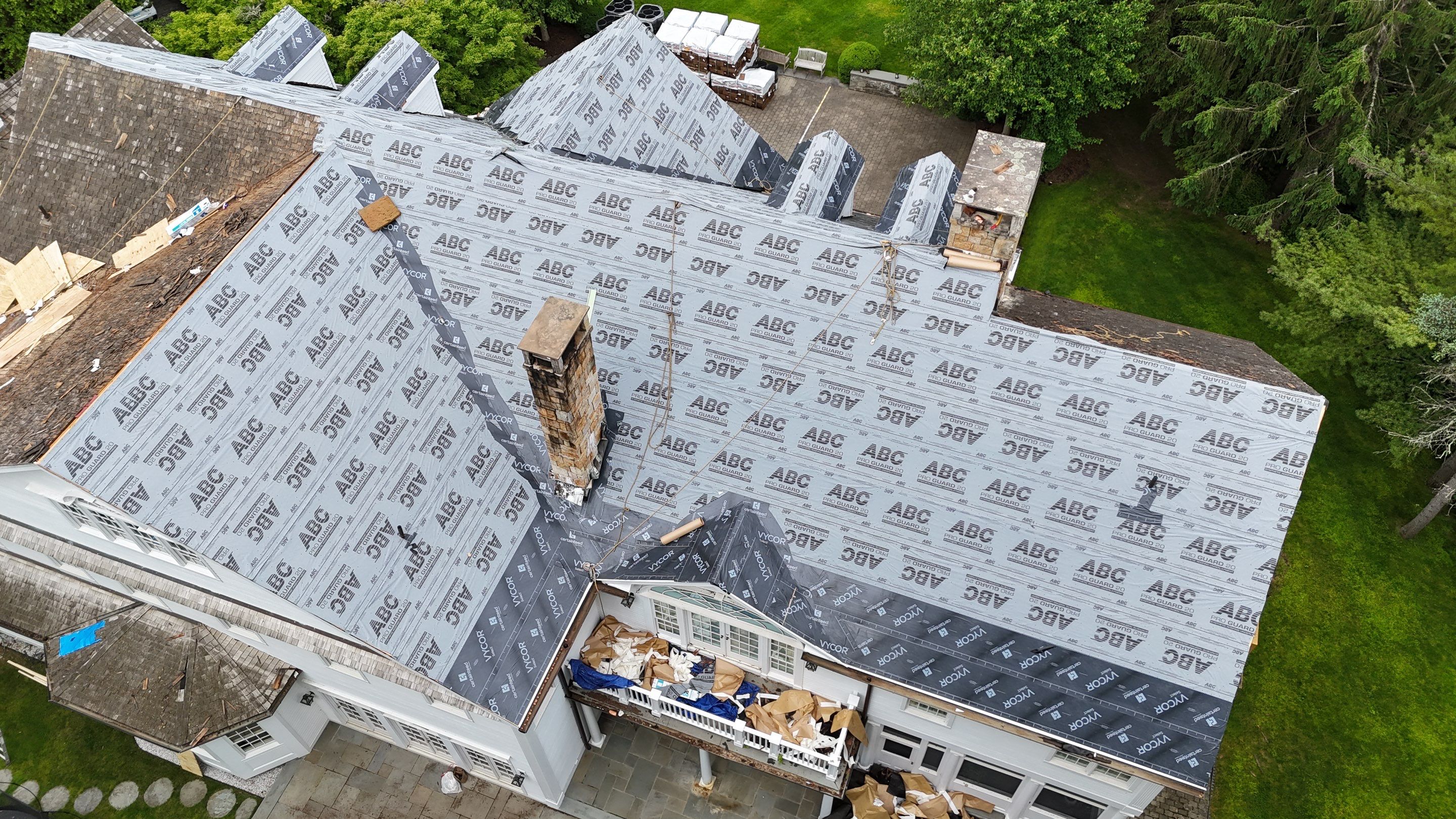
Severe weather is a regular part of living in Connecticut — nor'easters, hail, heavy rain, and wind all put real stress on a home's exterior. The damage isn't always obvious, and the steps you take right after a storm can make the repair and insurance process much smoother. This is a general guide to what to do and how the claim process typically works; your specific situation and policy will always control the details.
1. Make the home safe and stop the bleeding
Before anything else, address active hazards. If there's water coming in through the roof, a fallen limb on the house, or a section of siding torn open, do what's reasonable to keep more water out — that might mean a tarp over a breach or clearing a blocked gutter that's backing up under the shingles. Take photos of everything before you touch it, and don't climb onto a wet or wind-damaged roof yourself.
2. Document the damage thoroughly
The single most useful thing you can do is document everything clearly. Take wide shots and close-ups of lifted shingles, hail bruising, cracked siding, bent gutters, and any interior damage. Note the date. Good documentation is what an insurance adjuster works from, and it's what supports the repair scope later. If you're not sure what to look for, a trained eye helps — subtle hail impacts and wind uplift are easy to miss from the ground.
3. Get an honest, on-site inspection
Have the exterior inspected as soon as you can. Hidden moisture behind siding or under shingles spreads quickly, and a small problem left for weeks can turn into rot or mold. We inspect the roof, siding, and gutters, point out what we find, and explain the scope in plain terms. If the damage came from a storm, the same inspection and photos help support a claim.
How the insurance claim process generally works
Every policy is different, but the claims process tends to follow a familiar shape. First, you report the loss to your carrier and they open a claim. An adjuster is assigned and usually schedules a visit to inspect the damage. The carrier then issues an estimate and a decision based on what the adjuster documents and the terms of your policy.
Where we help is on the documentation and review side. We can walk the property with your adjuster to point out the damage that's easy to overlook, and we can review the carrier's estimate against the actual repair scope to flag anything missing — overlooked damage, code-related requirements, or materials that don't match the home. From there, once a claim is approved, we complete the approved repairs.
4. Complete the restoration
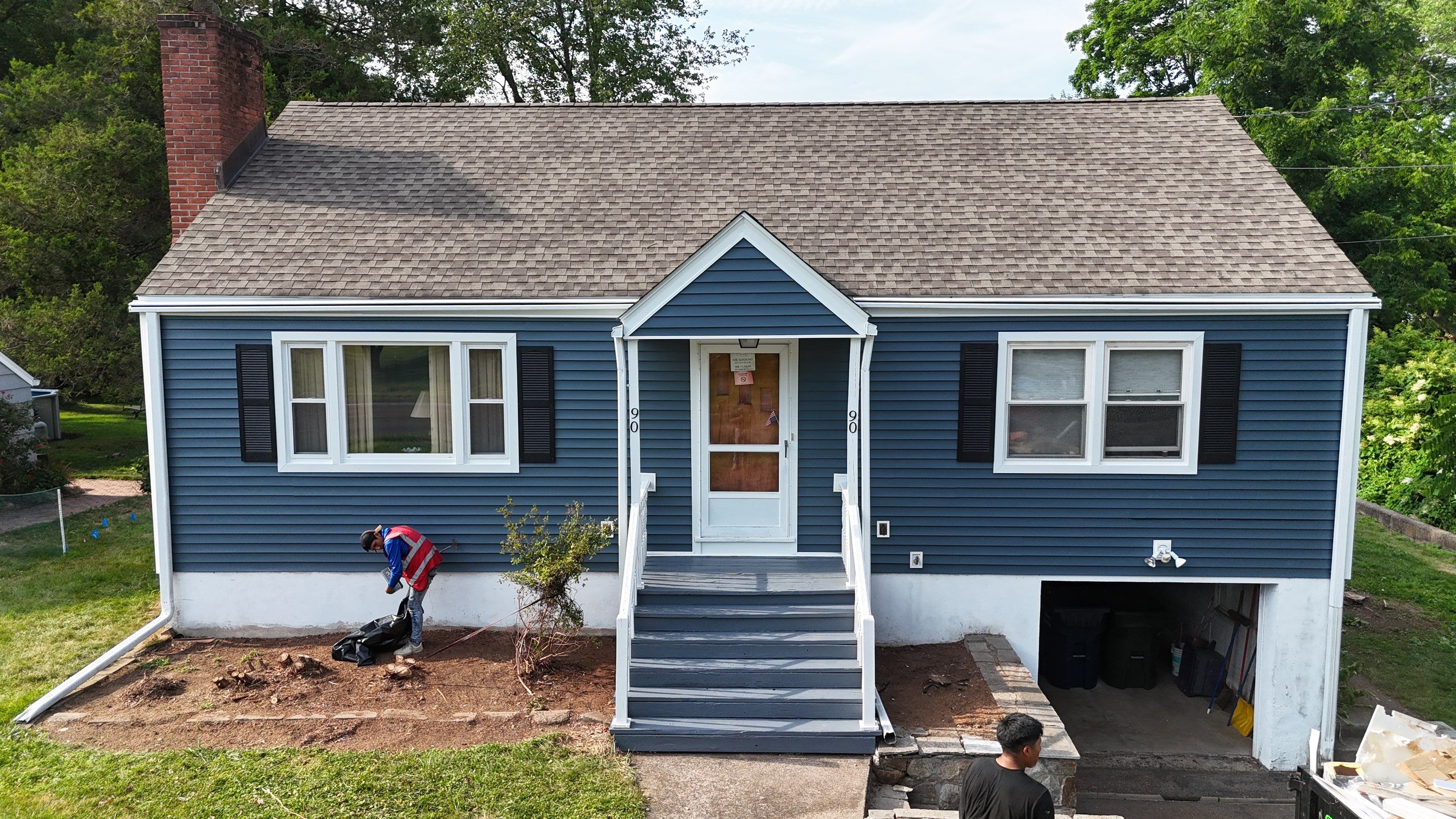
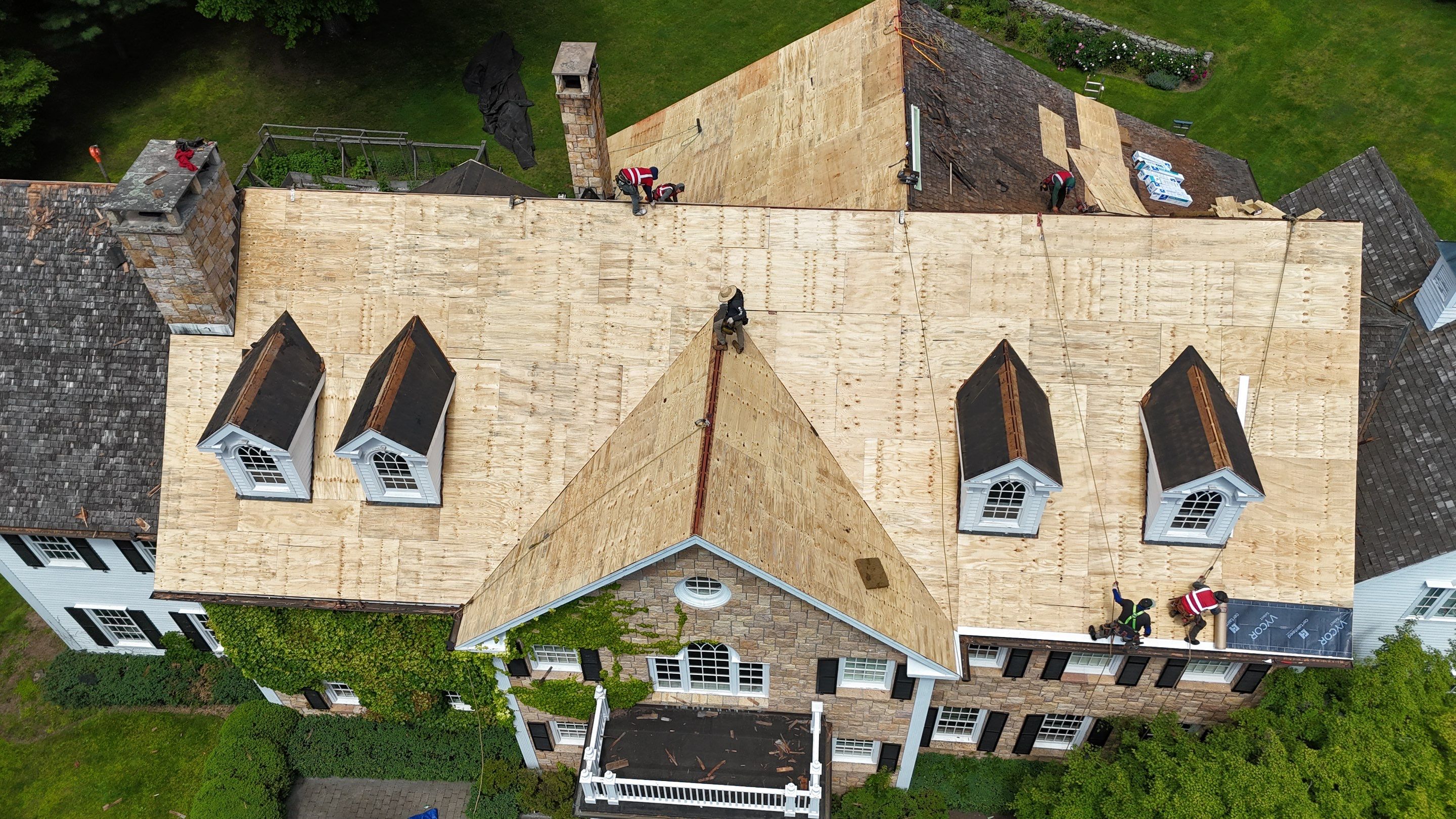
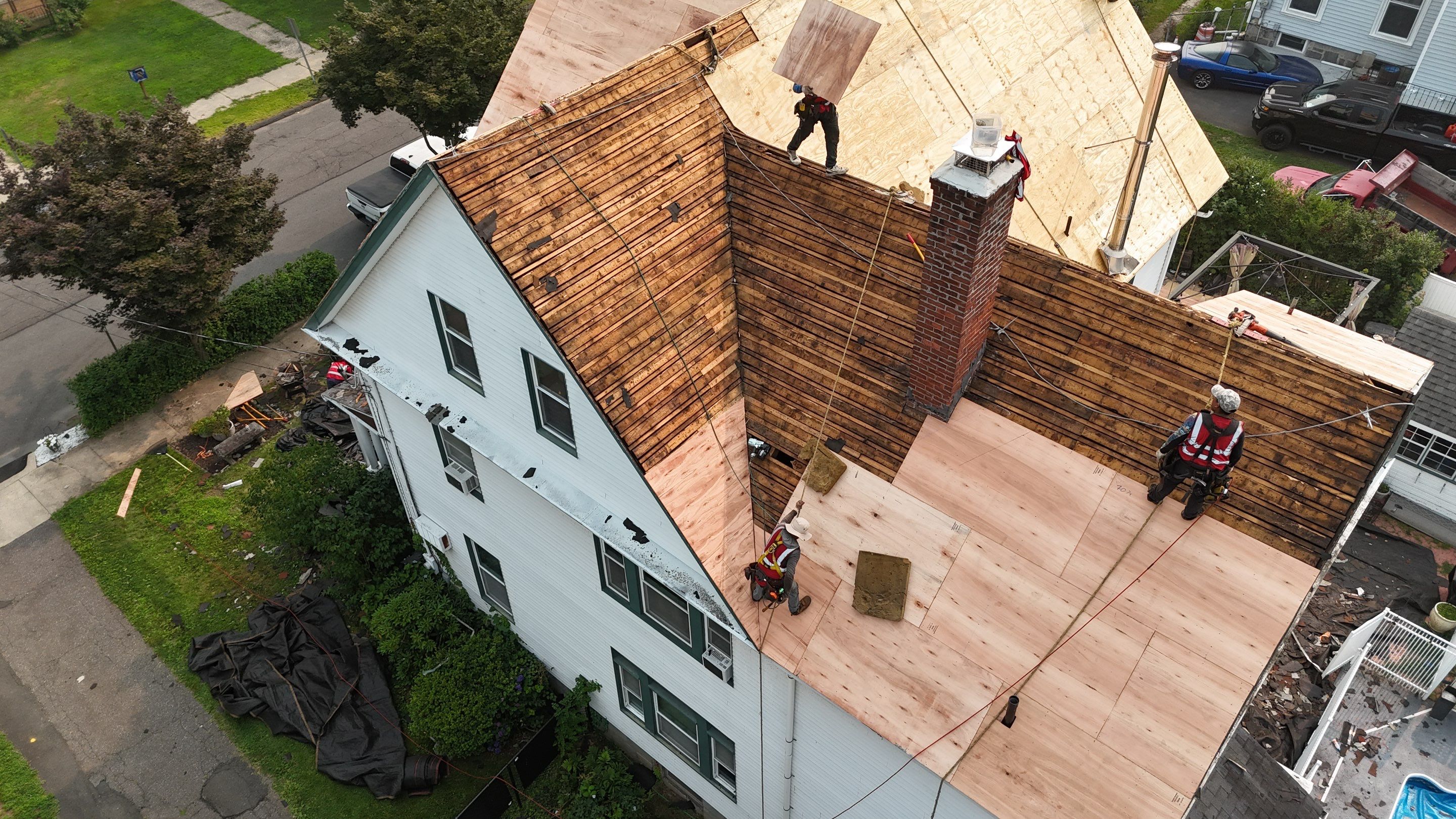
Once the scope is settled, the restoration itself is the straightforward part — replacing lifted shingles, repairing or replacing damaged siding, re-hanging or replacing gutters, and resealing the areas that failed. We match materials where possible, seal properly, and clean up thoroughly so the repair holds and the home is protected against the next storm.
We help homeowners across our service area through this whole process, from the first inspection through the final repair. If your home has been hit by a storm, see our storm damage restoration service or request a free estimate, and we'll help you understand what you're looking at.